From Fun to Full Emotion
What started as a few simple sketches has grown into a cast of fully realized characters. They're no longer just animated figures—they're believable, layered, and emotionally designed to connect. This is the journey of how our iconic characters evolved from playful 2D sketches to emotionally intelligent 3D storytellers.
The Spark – Where It All Began
It started with a question: How do we make learners care more about the training in front of them? It wasn’t just about upgrading visuals or making something look nice on the surface. That’s why we had to create a full concept—a Scandlearn world with characters that had depth. Characters people could recognize, relate to, and connect with. I was creating characters people could recognize, relate to—and actually remember.
How do we make learners care more about the training in front of them?
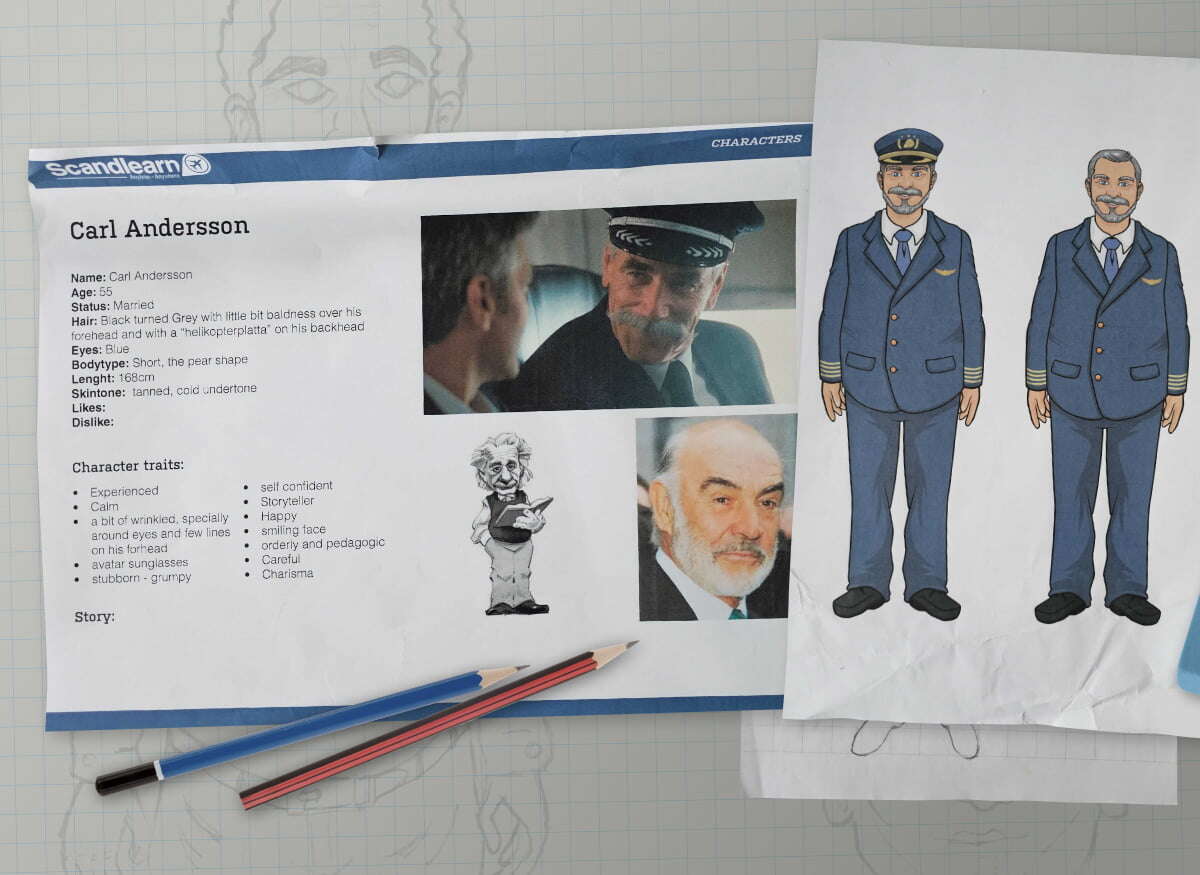
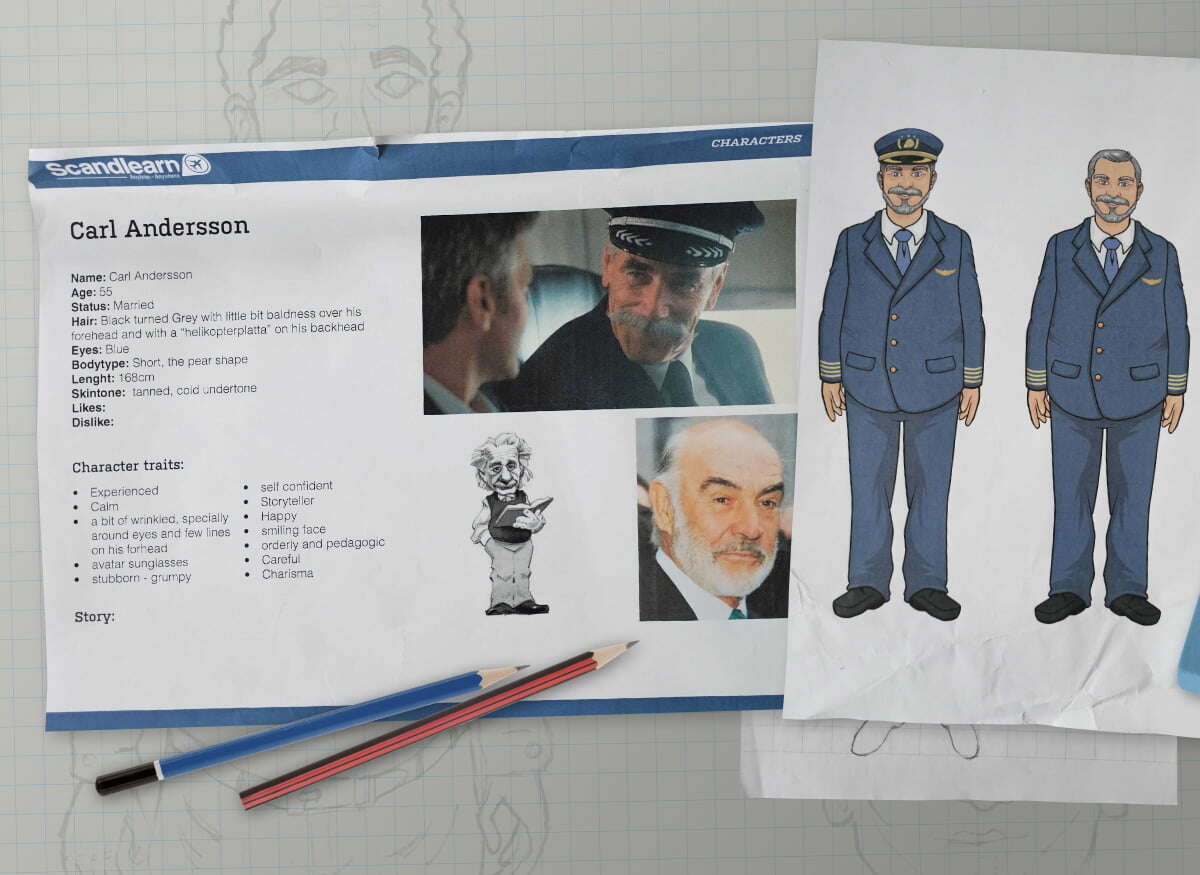
To truly connect with the person on the other side of the screen, we first need to understand who we're talking to—and speak to them authentically. A pilot shouldn't just be a generic stock image in a captain's hat. From the start, I shaped Carl based on real pilot behaviors and quirks. But to add real emotional depth, our characters also needed backstories—just like we all have. It’s those stories that shape who we are and how we show up in the world, and in our workplaces. Each crew member had layers, because training needs humans—not placeholders.
At that time, we weren’t sure how to achieve that. But the idea stuck with me. It nagged at me, and I realised we needed to figure out how to make training engaging and enjoyable—especially in a field as serious as aviation. How could we make complex topics easier to understand in a way that resonated with learners?
Artistic Development – Defining the Look and Feel
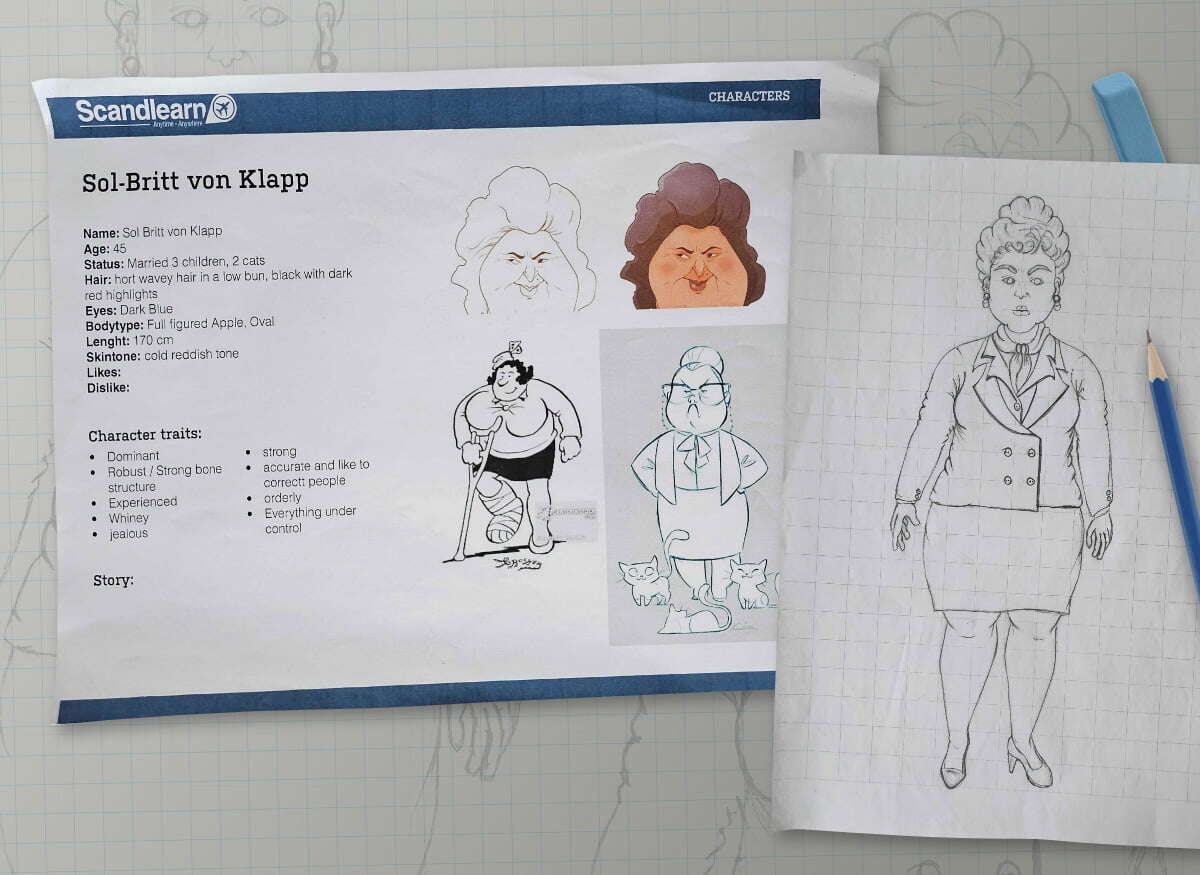
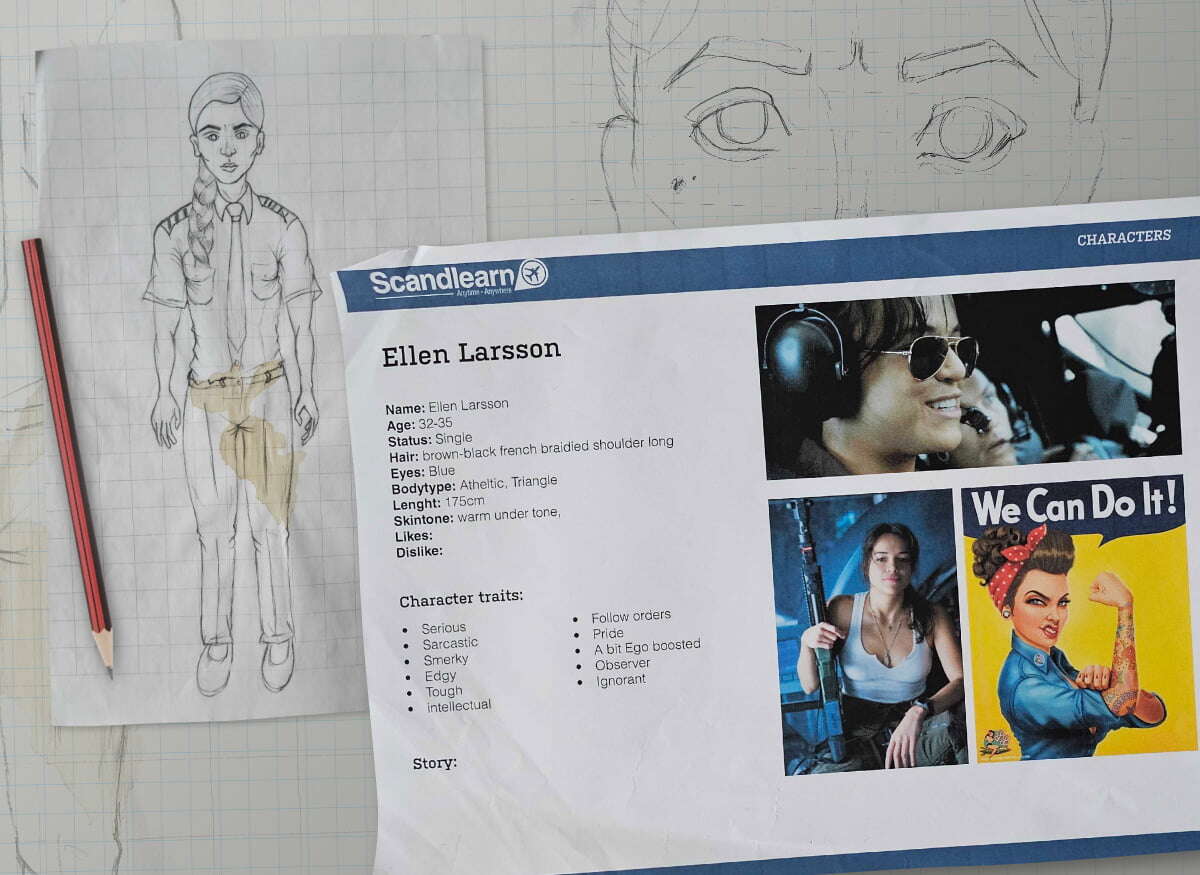
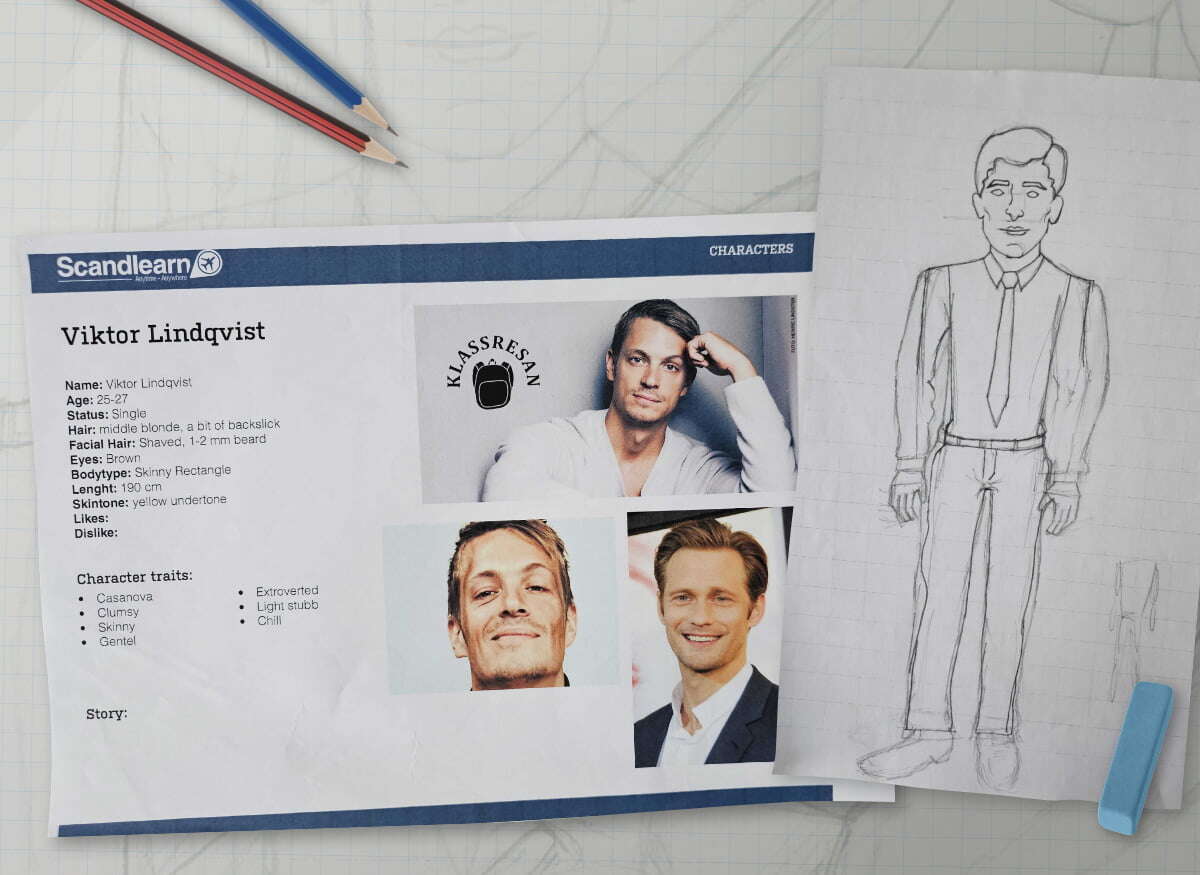
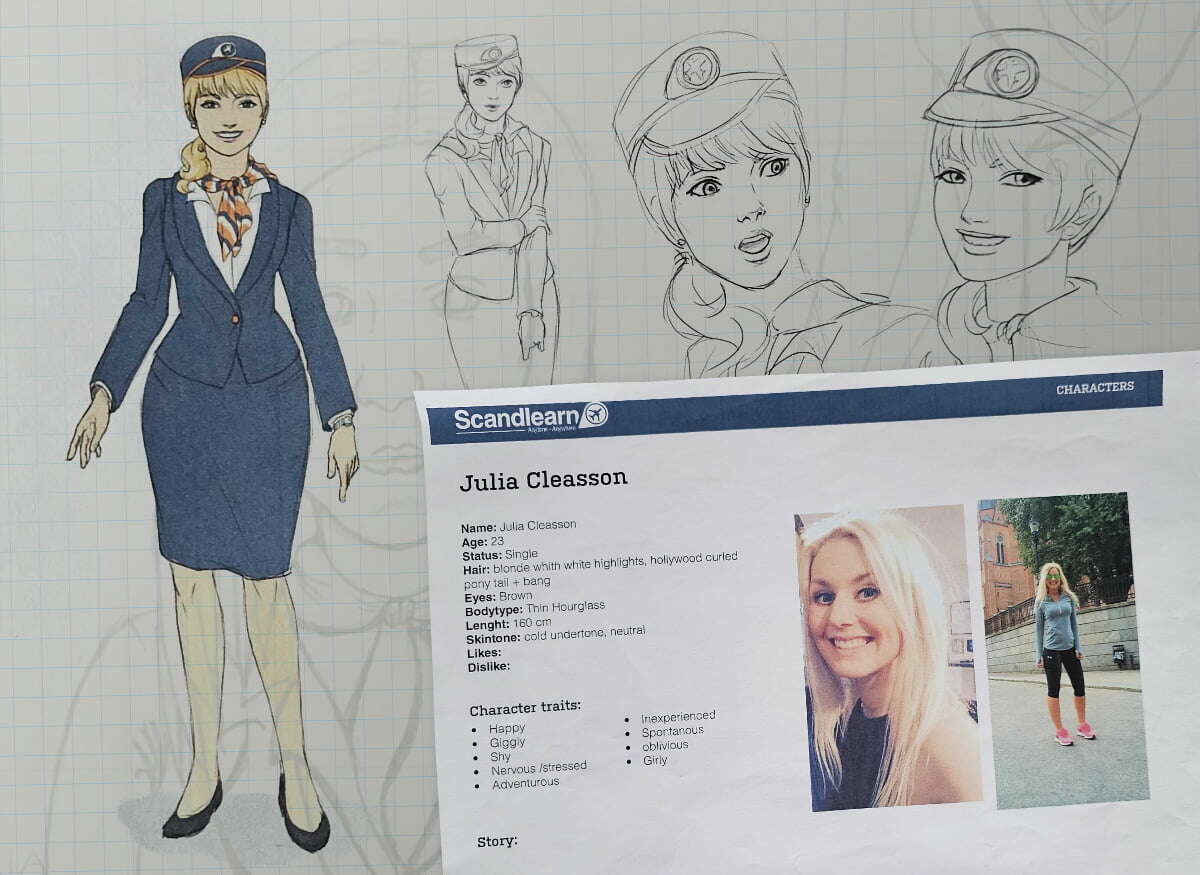
Let's say it was a trial and error phase. The characters went through a few different versions over the years, but it wasn’t until 2016 that they really began to take shape. That’s when I found the core team who truly understood the heart of our vision—and nailed an artistic direction that worked not just creatively, but also in terms of production. Our lead artist began by revisiting the original 2D sketches. The challenge? Modernize them for 3D without losing their warmth, humor, or familiarity. "The eyebrows, the eyes—these little details mattered. If you lose that expression, you lose the personality," they explained.
Every pixel was purposeful. Carl’s posture, Ellen’s side glance, Julia’s clumsiness—all were translated from line drawings into dynamic motion-ready models.Rethinking Learning: From Tradition to Transformation
Built Like a Crew—Not Just a Cast
Every pixel was purposeful. Carl’s posture, Ellen’s side glance, Julia’s clumsiness—all were translated from line drawings into dynamic motion-ready models.
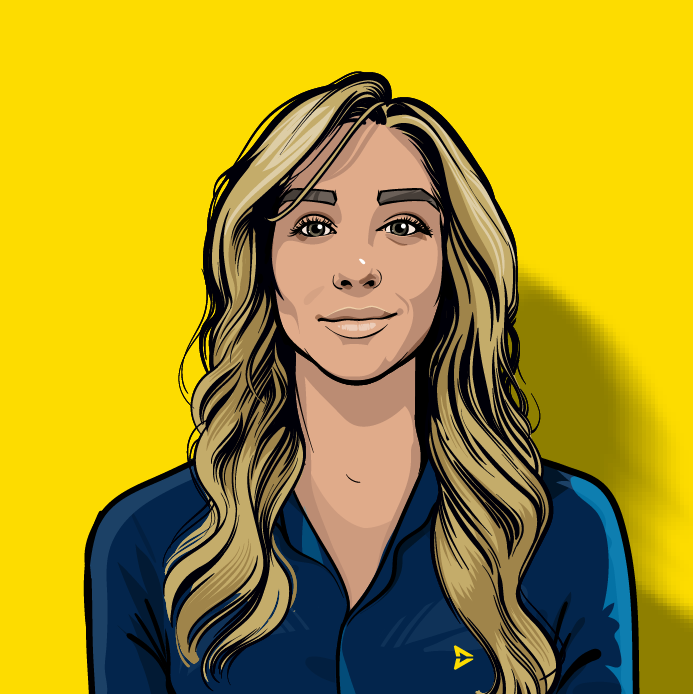
But it wasn’t just about how they looked—it was about who they were. Carl is a warm-hearted veteran pilot with a love for storytelling and a slight struggle with modern tech. Ellen is sharp, independent, and driven by a quiet resilience rooted in her past. Julia is clumsy but endearing, constantly trying to prove herself. Viktor is the charming jokester hiding his insecurities behind humor. Each backstory was crafted to reflect real human complexity—because we believe that relatable characters lead to more memorable training experiences.
Like in any workplace, there's chemistry, tension, and personality—so why not bring that into training? We’ve built our crew to reflect the team dynamics learners recognize from their own real-world experience. It’s a powerful layer to storytelling and one that makes scenarios feel more authentic and emotionally impactful.
If you'd like to learn more about each of the characters, you can visit [link to character bios or landing page].
For many years, we worked with animated 2D characters and stayed there intentionally. Meanwhile, we explored and researched 3D—because that was always the long-term goal. But the aviation industry hasn’t always moved at the same speed. In many parts of the world, online training was still establishing itself, especially in the years following the pandemic. The tech landscape also changed rapidly—new tools, better rendering engines, and now, AI reshaping workflows entirely.
What felt impossible just five years ago is suddenly within reach. Our objectives have shifted with the times, and so have the resources and creative possibilities available for online aviation training.
Building in 3D – Bringing Emotion to Life
For many years, we worked with animated 2D characters and stayed there intentionally. Meanwhile, we explored and researched 3D—because that was always the long-term goal. But the aviation industry hasn’t always moved at the same speed. In many parts of the world, online training was still establishing itself, especially in the years following the pandemic. The tech landscape also changed rapidly—new tools, better rendering engines, and now, AI reshaping workflows entirely.
What felt impossible just five years ago is suddenly within reach. Our objectives have shifted with the times, and so have the resources and creative possibilities available for online aviation training.
Next came the 3D character artists and animators. Their mission: make these characters feel alive without being overacted. "When Carl shifts his weight or raises an eyebrow, that’s the kind of micro-expression that makes him feel real," said one of our animators.
From rigging to rendering, this wasn’t just technical work. It was emotional architecture—designing for connection.
Behind the Scenes – A Labor of (Slightly Chaotic) Love
There were debates about nose width. Countless test renders of blinking animations. An animator who spent an entire afternoon just perfecting Ellen’s eye roll.
It was detailed, iterative, and at times exhausting—but it was worth it. Because we knew that learners would notice the difference.
Conclusion – More Than Just Characters
Stay tuned
This transformation isn’t cosmetic. It’s cognitive. When learners connect to characters, they care. When they care, they remember. That’s why we did this.