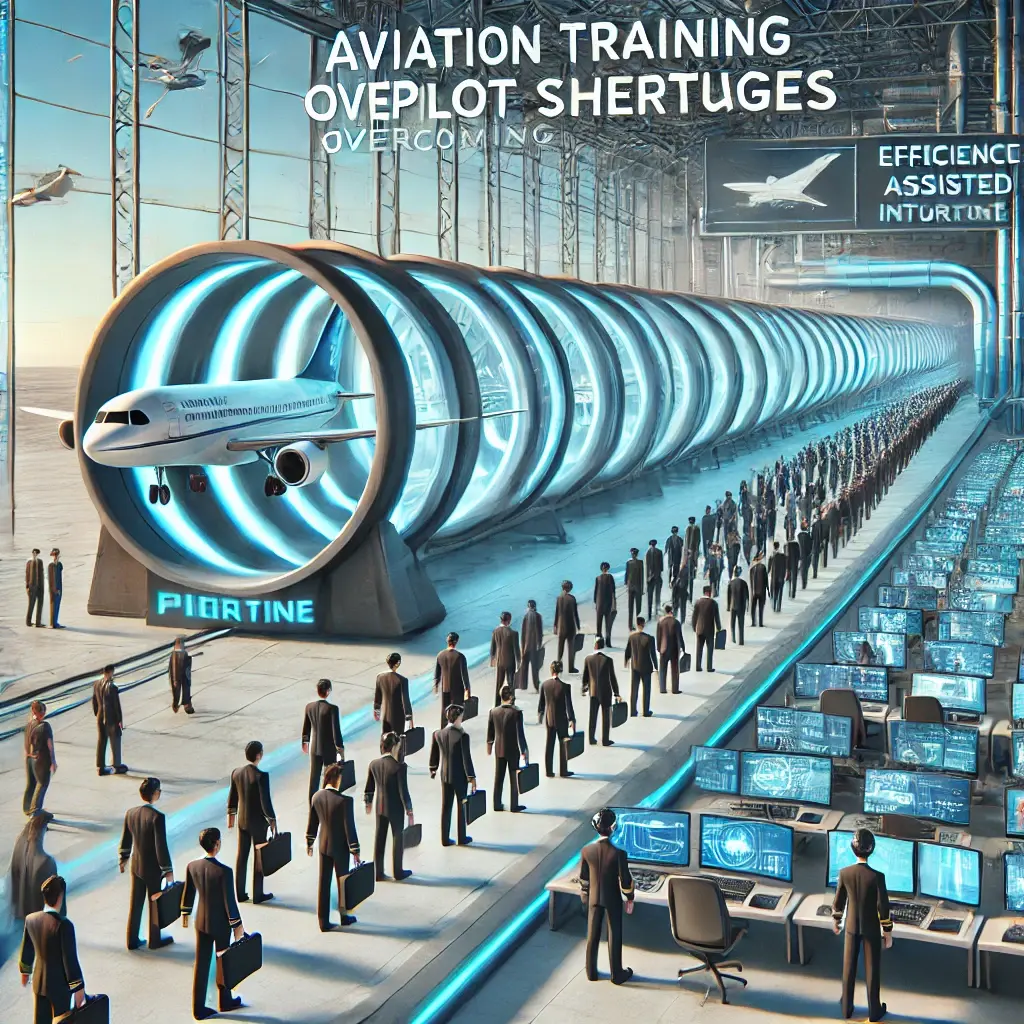
The aviation industry is navigating turbulent skies. With rapid technological breakthroughs, evolving regulations, and surging global demand, the stakes have never been higher. Training isn’t just a necessity—it’s the lifeline that will determine whether aviation soars or stalls in the face of these challenges. Let’s dive into the most pressing issues of 2025 and how training can be the key to overcoming them.
The Real Cost of Cutting Corners in Training
Many companies, especially in highly regulated industries like aviation, face a common dilemma: Should we invest in high-quality training, or just meet the minimum compliance requirements? The temptation to cut costs often leads organizations to choose tick-box training—programs that technically fulfill regulatory obligations but fail to create real impact.
But what is the true cost of ineffective training? Lost productivity, compliance risks, increased operational errors, and higher turnover. Meanwhile, companies that invest in engaging, well-structured training programs see significant improvements in employee performance, compliance, and overall business success.
In this article, we’ll break down:
- What makes training effective?
- The real value of high-quality training
- How to measure results beyond completion rates
- How to calculate ROI in aviation training management
What is Effective Training?
“Effective training” isn’t just about delivering information; it’s about making sure learners retain, apply, and benefit from that information in their roles.
Characteristics of Effective Training:
- Engaging & Visually Stimulating – Uses storytelling, real-world scenarios, and immersive content (e.g., Scandlearn’s captivating presentations) to maintain attention.
- Pedagogically Sound – Structured using proven learning frameworks that optimize retention.
- Interactive & Practical – Provides opportunities for active learning, simulations, and problem-solving rather than passive slide-watching.
- Tailored to the Industry’s Needs – Designed with aviation-specific challenges in mind (e.g., compliance, safety, and operational efficiency).
- Measurable & Results-Driven – Tracks performance beyond completion rates, measuring knowledge application and long-term retention.
In contrast, ineffective training is dull, passive, and forgettable—resulting in employees completing courses without truly learning.
Be the first to know
What is the Value of High-Quality Training?
Many companies view training as an expense, but in reality, it’s an investment with a measurable return.
The Value High-Quality Training Brings:
1. Operational Efficiency & Productivity Gains
- AT&T saved 670,000 production hours by switching to a more engaging, streamlined compliance training approach.
- Tigo increased sales by 66% after implementing microlearning strategies.
Compliance & Risk Reduction
- Velan Inc. improved regulatory compliance and engagement after revamping its training approach.
- In aviation, compliance failures due to ineffective training can lead to legal fines, reputational damage, or even safety risks.
Higher Employee Retention & Satisfaction
- 92% of employees say effective training improves job engagement.
- When training is seen as a valuable experience rather than a chore, employees feel more competent, motivated, and invested in their roles.
Reduced Costs from Avoidable Mistakes
In aviation, errors can have catastrophic consequences. Training that focuses on knowledge retention and real-world application prevents costly mistakes that could impact operations, safety, and financial performance
How to Measure the Results of Training Beyond Completion Rates
Many companies track training success through completion rates alone. But this is misleading—just because someone finished a course doesn’t mean they understood or retained the information.
Here’s what organizations should be tracking instead:
Knowledge Retention & Application:
- Post-training quizzes weeks or months after completion to measure long-term knowledge retention.
- Observation of on-the-job performance improvements related to training topics.
Behavioral Changes & Engagement:
- Simulations & scenario-based assessments to test real-world decision-making.
- Employee feedback surveys on training effectiveness and engagement levels.
Impact on Key Business Metrics:
- Has safety incident reporting accuracy improved?
- Has compliance violation frequency decreased?
- Has employee performance or efficiency increased?
By shifting from “Did they complete it?” to “Did it make a difference?”, aviation training managers can ensure their programs truly deliver value.
By shifting from “Did they complete it?” to “Did it make a difference?”, aviation training managers can ensure their programs truly deliver value.
Technological Overload: Striking the Right Balance
Virtual reality simulations, augmented reality tools, advanced flight systems—aviation training has never been more technologically rich. But here’s the catch: Too much tech, too fast, can overwhelm both trainees and trainers. The risk? A loss of focus on core skills and the fundamentals that keep flights safe.
Training programs need to tread carefully, integrating technology in ways that enhance learning without overcomplicating it. Striking this balance ensures that trainees master the basics while benefiting from innovative tools.
Sustainability Goals in Training: Preparing for a Greener Future
The aviation industry is in the midst of an eco-revolution. Electric and hydrogen-powered aircraft, sustainable aviation fuels (SAF), and carbon offset programs are no longer futuristic concepts—they’re here. This shift demands a workforce that not only understands these innovations but champions them.
By embedding sustainability into training programs, organizations can prepare crews for the unique challenges of greener aviation. From mastering new procedures to fostering environmental responsibility, training is the bridge to a more sustainable future.
Building Resilience Through Training
Aviation roles are evolving rapidly, and training is the key to staying relevant. Let’s look at how:
- Engineers and Technicians: Transitioning to electric and hydrogen-powered aircraft means mastering unfamiliar technologies and materials.
- Pilots: With automation taking on a greater role, pilots need advanced training to manage complex systems while honing critical decision-making skills.
- Ground Staff: AI-driven tools for baggage handling, flight operations, and customer service demand a tech-savvy workforce ready to adapt.
By developing tailored training modules, organizations can empower their teams to thrive amid change rather than just survive.
Be the first to know
Remote Training and Accessibility: Breaking Barriers
Remote training took off during the pandemic, but challenges remain. How do you ensure engagement, quality, and accessibility for trainees scattered across the globe? And how do you implement a Competency-Based Training and Assessment (CBTA) framework in such a diverse environment?
The answer lies in blended learning models that combine the flexibility of online platforms with the rigor of in-person standards. Add data analytics to monitor progress, and you’ve got a recipe for remote training that delivers.
Human Factors and Stress Management: Safeguarding Well-Being
High-stakes decision-making, demanding schedules, and constant pressure make aviation one of the most stressful industries. Without proper training, stress and fatigue can lead to critical errors.
Human factors training goes beyond technical skills. It equips aviation professionals with tools for stress management, effective communication, and teamwork. By prioritising mental health, organisations can enhance performance and minimise risks.
Something about Scandlearn course
The Sustainability Imperative: A Workforce for Tomorrow
Futureproofing aviation is about more than adopting the latest technologies—it’s about sustainability. With global net-zero targets in sight, the industry needs professionals who are not just skilled but deeply committed to environmental goals.
Integrating sustainability into recruitment and training ensures that the workforce of tomorrow is ready to tackle aviation’s eco-challenges. From SAF to electric aircraft, the future of flight depends on people who understand the stakes.
What the Next Decade Holds
The next ten years will reshape aviation in profound ways. Organisations that fail to adapt risk being grounded, while those that invest in innovative training will soar above the competition.
At Scandlearn, we’re not just preparing clients for today’s challenges—we’re futureproofing the industry. Through dynamic training, we empower organisations to thrive in a world of transformation. The future of aviation isn’t just about cutting-edge technology or greener skies—it’s about the people who make it all possible.
Let’s build that future together.
Our next blog article will explore how Scandlearn tackles Aviation Training Challenges for 2025, addressing emerging trends and solutions tailored to the industry's evolving needs.