Dangerous Goods Training Reimagined for CBTA

Engaging. Captivating. Zero boredom.
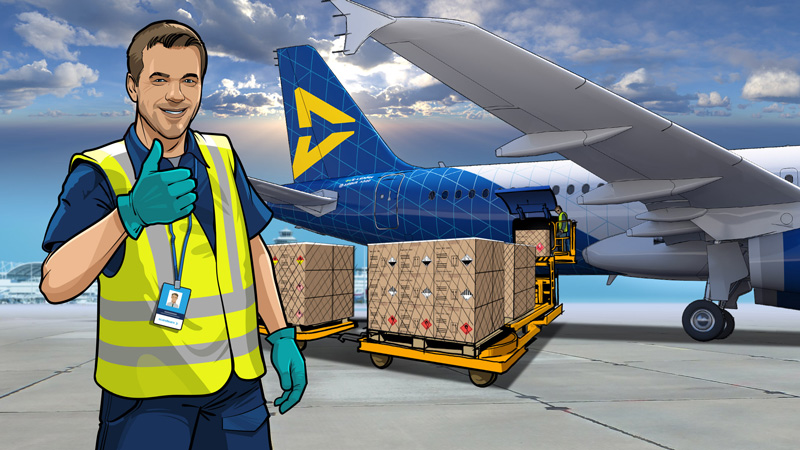
CBTA-compliant Dangerous Goods (DG) training for Fixed Wing, Rotor Wing, and Ground Crew—used by hundreds of training teams worldwide. We don't like to brag, but it's probably the best DG course on Earth.
Looking to customise your Dangerous Goods training?
Scandlearn offers a collection of Dangerous Goods training that is CBTA-ready and fully compliant. Each with a captivating presentation and engaging learning format that can be tailored to your unique operational needs.
New to Competency-Based Training & Assessment (CBTA)? Learn more here.
Carry
Flight Crew, Cabin Crew, Ground Crew, Management, Operations/Planning, Aircraft Maintenance

No Carry
Ground Crew
Ground Crew, Management

Helicopter Training
What trainers are saying
Why Dangerous Goods from Scandlearn stands out from the rest

Maximise time management efficiency with training that is relevant and applicable to individual team members.

Bold graphics, beautifully rendered visuals and crisp audio make our training easier and even enjoyable for your team to experience.

The benefits of our Evolve learning platform will transform learners training into a smooth and positive experience.

We have you covered
Our comprehensive Dangerous Goods training covers every required topic in detail—from classification to documentation—ensuring full compliance with aviation regulations and preparing you thoroughly for safe handling practices.
- Regulatory foundations, key DG rules, and operator/shipper responsibilities.
- Purpose of DG training, safety culture, and definition of dangerous goods.
- Items forbidden, restricted, allowed with conditions, or excepted under DG regulations.
- Identification using UN numbers, classes, proper shipping names, and special provisions.
- Required labels, markings, lithium battery marks, and overpack/special marking rules.
- Detecting undeclared DG, recognising hidden indicators, and using GHS pictograms.
- Safe storage, segregation, securing methods, and handling damaged packages.
- Pilot notification requirements, NOTOC content, use, and record-keeping.
- Rules for passengers and crew, including approvals, restrictions, and battery aid carriage.
- Emergency procedures, DG checklists, reporting requirements, and security awareness.
- Regulatory basis for DG and responsibilities for No Carry operators and shippers.
- Purpose of DG training, safety culture, and understanding what dangerous goods are.
- Categories of DG, including excepted items and those allowed only under conditions.
- Passenger, crew, postal, and operational-item limitations for a No Carry operator.
- DG classes, hazard and handling labels, lithium battery marks, and quantity markings.
- Recognising undeclared or hidden DG and using GHS pictograms.
- Staff questioning and confirmation procedures for cargo, baggage, and passengers.
- Passenger/crew DG restrictions, information requirements, and battery/mobility-aid rules.
- Operator procedures for staff guidance, check-in detection, and commander information.
- Emergency actions, DG checklists, and reporting responsibilities during incidents.
- International DG rules, definitions, national laws, and use of the Blue Pages.
- Shipper and operator responsibilities, training needs, records, vigilance, and security.
- DG limitations, exceptions, forbidden items, quantities, operator property, and variations.
- DG classes, packing groups, IMP codes, and key class features.
- Marking and labelling, hazard/handling labels, lithium/quantity marks, and others.
- Recognising undeclared DG, X-ray indicators, suspicious cargo types, and GHS warnings.
- Storage and loading rules, segregation, inspection, ULD use, COA items, and more.
- Core DG documentation: Shipper’s Declaration, Air Waybill, checklists, and NOTOC use.
- Passenger/crew rules, information requirements, Table 2.3.A limits, and operator obligations.
- Emergency actions, handling damaged/leaking packages, and reporting requirements.
- Regulatory basis, operator approvals, responsibilities, and required staff training.
- What DG are, how they’re classified, and how ICAO-TI/IATA-DGR apply to helicopters.
- DG limitations, forbidden items, exemptions, operator property rules, and quantity limits.
- Use of the Blue Pages and columns for identifying DG details.
- Shipper marking and labelling duties, hazard/handling labels, and lithium/quantity markings.
- Required DG documents, including the Shipper’s Declaration and Air Waybill.
- Acceptance checks, checklist use, and pilot responsibilities.
- Recognising undeclared DG, GHS markings, MSDS use, and action on mismatched labels.
- Helicopter loading rules, segregation, ULD/external loads, and handling damaged packages.
- NOTOC requirements, passenger/crew DG limits, and emergency and reporting procedures.
Expert-led compliance for Dangerous Goods
Upgrade your training program with modern and engaging DG courses that enhance team proficiency and reduce compliance risk throughout your operations.
Take control of your training
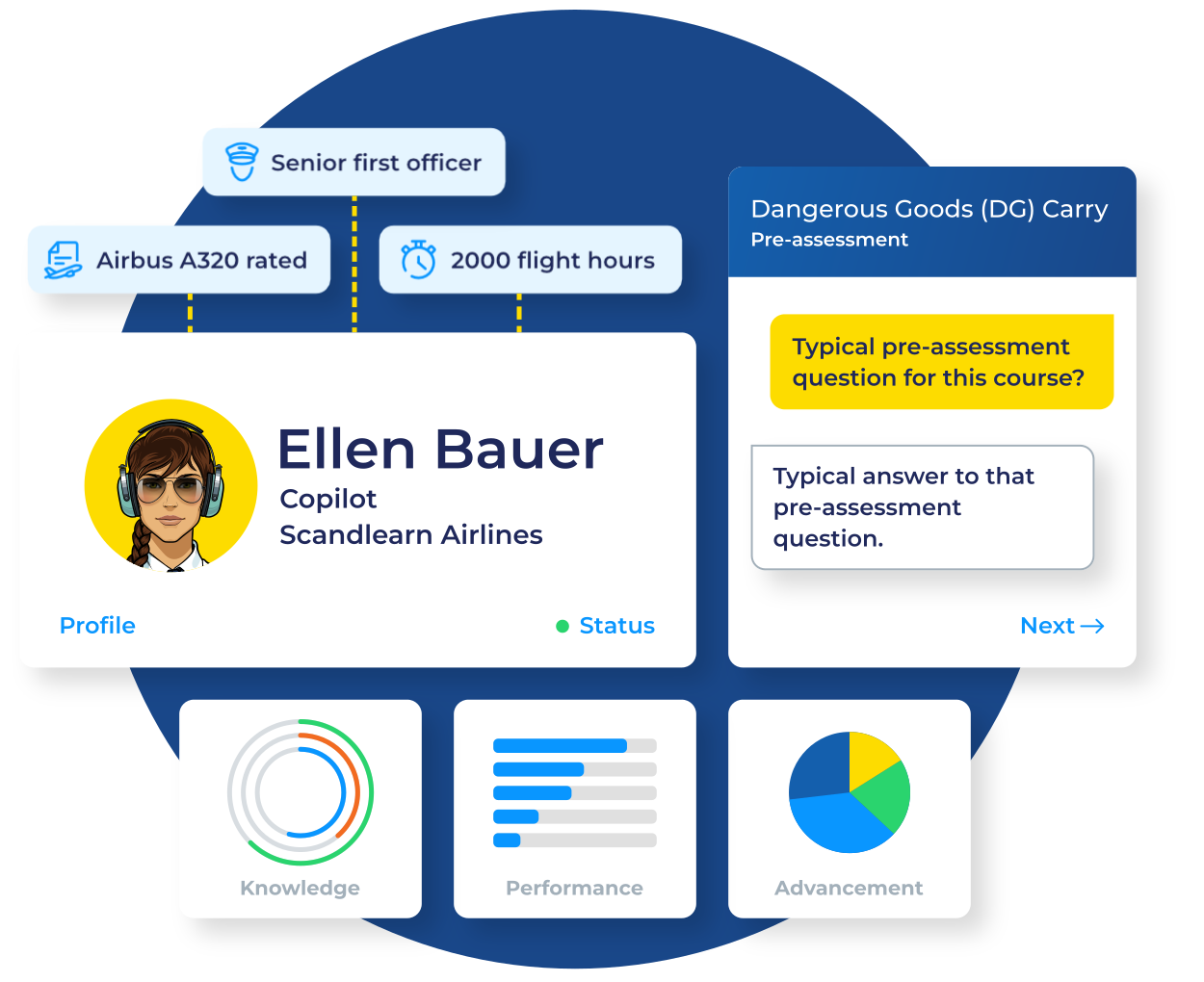
CBTA is more than just a test—it strengthens the knowledge of your team by assessing their knowledge with each session. Deepening their understanding of critical course material.
Level-up your training
Our CBTA platform has everything you need and more to succeed in preparing, enrolling and assessing your training.

Gain full visibility on crew performance and training effectiveness. Make data-driven decisions with powerful analytics. Benchmark against global data to identify improvement areas. Stay audit-ready with insights at your fingertips.
Automatically align training with operational requirements. Simplify complex TNA processes with guided tools. Focusing on developing competencies, not checklists. Ensure compliance and operational relevance.

Tailored frameworks that fit your operation and easily align with ICAO and local authority standards. Use pre-built models or adjust them to your unique needs. No guesswork. Just a clear, compliant path forward.
Plan, deliver, and track CBTA training in one place. Structured templates and workflows simplify the process. Seamlessly integrate training and assessments for ongoing competence validation.
Monitor competence in real-time and keep records audit-ready. Easy-to-manage digital records that are accessible anytime. Automate reminders and stay ahead of expiring competencies.

Manage all your CBTA programs in one sleek, intuitive platform. Build courses, manage assessments, track records, and generate reports from a single login. A seamless experience for both admins and learners. Save time. Reduce complexity. Focus on what matters.
Our CBTA Player keeps training clear and engaging with short modules, regular knowledge checks, and ongoing assessments—so learning stays practical and competence is built step by step. Training feels relevant, not repetitive.
Easily navigate CBTA compliance with our collection of templates, step-by-step guides, and expert support. From training manuals to assessment plans, you’ll find practical resources and direct help that remove uncertainty and make compliance straightforward.

- 01 Statistics & Analytics
- 02 Training Needs Analysis (TNA)
- 03 Adapted Competency Model
- 04 Training & Assessment
- 05 Continuous Assessment & Records Management
- 06 One App - Total Control
- 07 The Player
- 08 Resources
Statistics & Analytics Tools
Gain full visibility on crew performance and training effectiveness.
- Make data-driven decisions with powerful analytics.
- Benchmark against global data to identify improvement areas.
🛫 Stay audit-ready with insights at your fingertips.
Training Needs Analysis (TNA)
Automatically align training with operational requirements.
- Simplify complex TNA processes with guided tools.
- Focus on what matters—develop competencies, not checklists.
👉 Ensure compliance and operational relevance without the heavy lifting.
Adapted Competency Model
Tailored frameworks that fit your operation—not a one-size-fits-all approach.
- Easily align with ICAO and local authority standards.
- Use pre-built models or adjust them to your unique needs.
👉 No guesswork. Just a clear, compliant path forward.
Integrated Training & Assessment Plan
Plan, deliver, and track CBTA training in one place.
- Structured templates and workflows simplify the process.
- Seamlessly integrate training and assessments for ongoing competence validation.
👉 Move from theory to practice—fast and efficiently.
Continuous Assessment & Records Management
Monitor competence in real-time and keep records audit-ready.
- Easy-to-manage digital records—accessible anytime.
- Automate reminders and stay ahead of expiring competencies.
👉 Confidence in compliance without drowning in admin.
One Login. One Platform. Total Control.
Manage all your CBTA programs in one sleek, intuitive platform.
- Build courses, manage assessments, track records, and generate reports from a single login.
- A seamless experience for both admins and learners.
👉 Save time. Reduce complexity. Focus on what matters.
A Smarter Learning Experience, One Block at a Time
Our CBTA Player delivers training in structured modules, each broken into focused blocks. Every block covers a specific topic, with integrated knowledge checks and assessments along the way. That means no endless scrolling, no information overload, and no waiting for a final test to prove competence.
Benefit:
✅ Learners stay engaged
✅ Competence is built and validated continuously
✅ Training feels relevant, not repetitive
Support + Tools + Peace of Mind
Access ready-to-use templates, comprehensive guides, and expert advice to make CBTA compliance simple. Whether it’s building your Training Manual or designing assessments, we provide the resources and knowledge to get you there faster.
✅ Training Manual Templates
✅ Assessment Plans & Competency Models
✅ Step-by-Step Guides
✅ Direct Support from CBTA Experts
👉 No guesswork. Just a clear path to compliance and competence.
Learn more about CBTA
Scandlearn began development on our own CBTA platform long before it became a regulatory requirement and we have a lot of insights to share about this comprehensive learning framework. If you want to begin learning about CBTA than these articles are a great starting point.