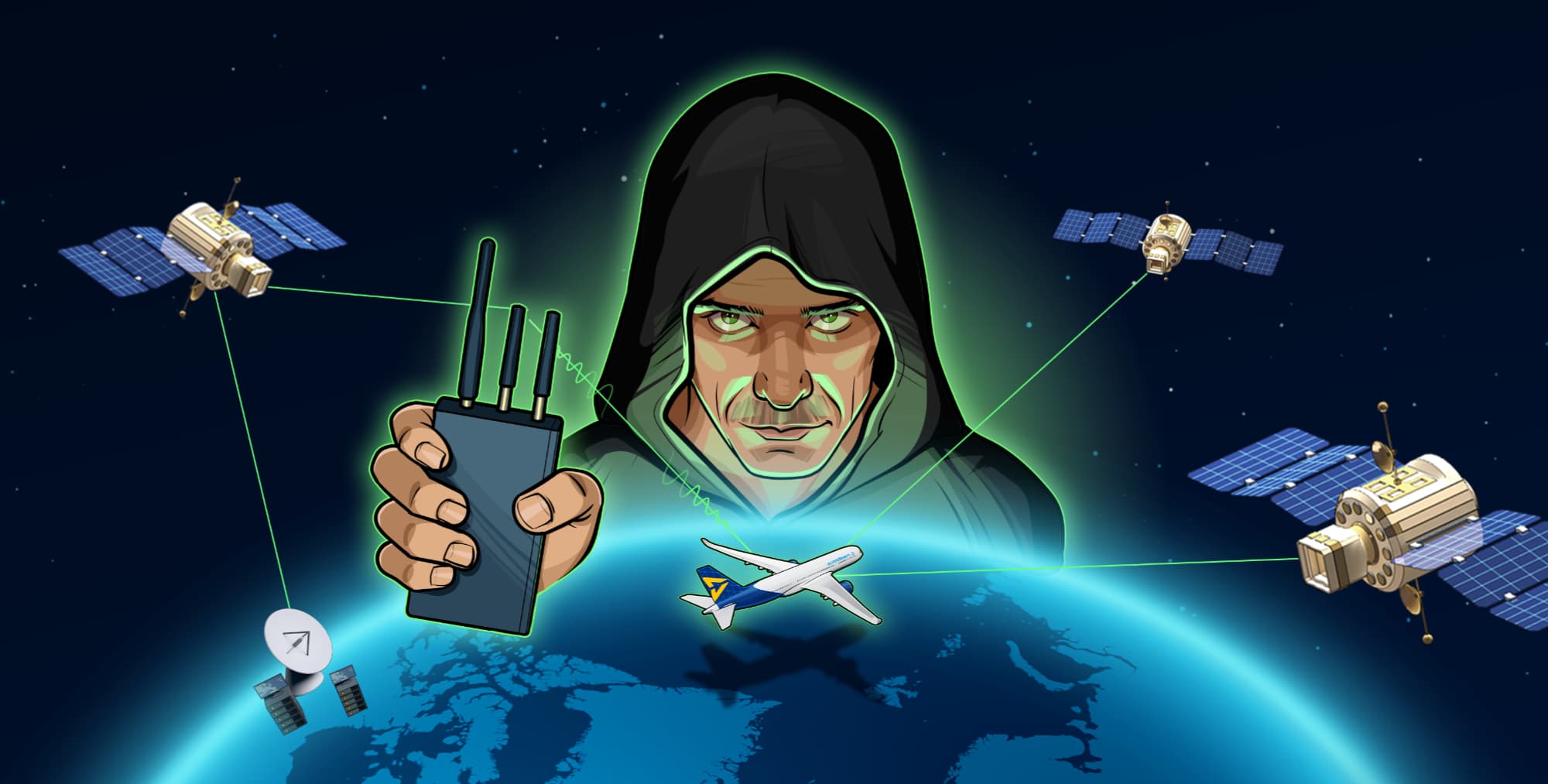
GPS interference, a major challenge for Global Navigation Satellite Systems (GNSS), comes in two main forms: jamming and spoofing. While both disrupt navigation systems, they do so in distinct ways.
- Jamming occurs when interventional interference overwhelms GPS signals, making them unusable. This can result from privacy devices, hostile equipment, or even conflicts between nations.
- Spoofing is more covert and dangerous, involving counterfeit GPS signals that mislead receivers into calculating false positions or times.
Modern training programs, like Competency-Based Training and Assessment (CBTA), help crews gain practical knowledge. By simulating realistic GNSS spoofing scenarios, these programs help teams tackle real-world challenges with confidence.
The Real-World Impact of GPS Interference
Global incidents of GPS interference underscore its severity and the urgent need for mitigation strategies:
The Baltic Region Crisis
Since Christmas Day 2022, GPS interference have increased in the Baltic Sea area. This affects southern Sweden, Poland, and nearby countries like Germany, Finland, Estonia, Latvia, and Lithuania. Ongoing attacks on GPS systems have caused issues for aviation and maritime operations. Recently, tens of thousands of planes reported navigation problems because of widespread jamming.
In one case, an unknown actor disrupted GPS signals for 47 hours straight. This forced Finnair to cancel flights to Tartu, Estonia, for a month. The interference caused two planes to abort their landings.
Open-source researchers and officials have increasingly attributed these disruptions to Russian regions such as Kaliningrad. Experts warn that this type of interference, known as hybrid warfare, creates uncertainty and unrest. This poses serious risks to civilian aviation and shipping.
Jimmie Adamsson, the head of public affairs for the Swedish Navy, highlighted the risk. He expressed concerns. Worries about civilian shipping and aviation exist. An accident could occur and lead to an environmental disaster. A risk exists that ships and aircraft will stop traffic to this area, disrupting global trade.
Escalation in War Zones: The Navigation Crisis
Tensions are flaring across Europe and the Middle East, and GNSS disruptions are becoming a big problem, especially in conflict areas. From the Baltics to Ukraine and parts of the Middle East, GPS jamming and spoofing are being used as powerful tools to interfere with air and sea operations.
These attacks aren’t just random—they’re deliberate moves to create chaos. Planes and ships can lose reliable navigation, making it harder to stay on course or complete missions safely. It’s a significant challenge for pilots, crews, and operators trying to work in these tricky environments.
With the growing risks growing, it’s clear that dealing with these disruptions needs to be a priority—not just for those directly impacted, but for the global safety of aviation and maritime industries.
Global Alarms Sounded
Safety experts and government officials are raising concerns about the growing potential for major disasters caused by GPS interference. The International Telecommunication Union, a United Nations agency, has reported a sharp rise in jamming and spoofing incidents over the past four years, despite regulations prohibiting interference with radio signals.
In the Netherlands, spoofing incidents surged from 163 in 2023 to 983 in 2024, reflecting the increasing sophistication of these threats. GPS interference methods have evolved to jam signals, rendering them unusable, or spoof signals, creating false location data. The implications for aviation are severe, ranging from operational delays to significant safety risks.
GPS jamming and spoofing case studies demonstrate how quickly interference can escalate, severely disrupting aviation on a large scale. These examples provide valuable insights into mitigating risks and improving safety. For flight crews, understanding the impact of GPS spoofing is essential for maintaining operational efficiency and ensuring passenger safety.
As these attacks grow more frequent, the need for robust mitigation strategies and targeted crew training has never been greater. By equipping flight crews with the tools and knowledge to identify and manage interference, the aviation industry can enhance its resilience and ensure safer skies for all.
How GPS Interference Affects Aviation Operations
GPS interference impacts flight operations in multiple ways:
- Disrupted Navigation Systems: Jamming can lead to a loss of accurate positioning. This forces pilots to use older, less reliable methods.
- Increased Pilot Workload: Pilots may encounter false terrain warnings due to GPS spoofing, which affects navigation systems and elevates workload. For instance, switching to less precise navigation aids like VOR or NDB demands greater concentration, thereby adding to the workload.
- Complications in Air Traffic Management: Without GPS, controllers must maintain greater separation between aircraft, causing delays and inefficiencies.
- Safety Risks: Spoofing can lead to navigational errors, runway incursions, or airspace violations.
- Economic Costs: Delays, inefficient routing, and higher fuel consumption burden airlines with additional expenses.
- These challenges emphasize the need for robust detection systems and well-trained crews to maintain operational safety.
GPS interference impacts flight operations in multiple ways:
Addressing GPS interference requires more than just advanced technology—it demands a comprehensive approach that combines proactive mitigation strategies with targeted crew training. Here are some key strategies to enhance aviation resilience:
-
Preventing GPS Jamming in Aviation
A solid defense starts with robust signal monitoring systems to detect anomalies early. Deploying GPS jamming detection devices, equipping aircraft with reliable backup navigation systems, and ensuring flight crews are trained to handle interference are essential steps to maintain operational safety. -
Deploying GNSS Spoofing Detection Hardware
Advanced systems analyse GPS signals for inconsistencies in strength, timing, or patterns. These tools are vital for identifying spoofing attempts in real time, enabling crews to make informed decisions. -
Implementing Anti-Spoofing Techniques
Modern anti-spoofing methods, such as cryptographic authentication and angle-of-arrival analysis, add an extra layer of protection. Training flight crews to understand and use these techniques during disruptions ensures maximum effectiveness. -
Utilising Crowdsourced Detection Systems
Collaborative efforts among aviation groups can identify interference patterns by pooling data from multiple receivers. Clear reporting protocols, reinforced through crew training, enable faster response times and a more coordinated approach to mitigating risks.
At the heart of these strategies is human expertise. Even the most sophisticated systems can only succeed when flight crews and aviation professionals are equipped with the skills and knowledge to use them effectively. Train your crew for efficient and confident work—because with the right preparation, they can turn disruptions into manageable challenges.
Building a Safer Future Through Training
As GPS interference incidents continue to rise, the aviation industry must prioritise specialised training for flight crews and operations personnel. While advancements in detection systems are vital, their effectiveness hinges on proper training to ensure crews can confidently apply these tools and strategies.
Flight crews equipped with both technical expertise and practical skills are better prepared to manage disruptions, reducing risks for passengers and operators. By investing in robust training, the aviation sector can strengthen its defenses against GPS-related challenges, ensuring reliable navigation systems and safer skies.
Regulatory Guidance on GNSS Interference
In 2024, the European Union Aviation Safety Agency (EASA) and the Federal Aviation Administration (FAA) released advisories. These advisories focused on GNSS jamming and spoofing. They stressed the need to follow GPS jamming and spoofing regulations.
- EASA released Safety Information Bulletin (SIB) 2022-02R3 on July 5, 2024. This bulletin discusses the growing problems with GNSS outages and changes. It includes a detailed list of symptoms, possible issues, and suggested solutions.
- The FAA issued Safety Alert for Operators (SAFO) 24002 in January 2024. This alert gives guidance to operators and manufacturers. It focuses on how to operate in a GPS/GNSS disrupted environment. The alert highlights the need to recognize and reduce disruptions.
- Reporting Incidents: GPS jamming incident reports play a crucial role in identifying disruptions. Promptly reporting any GNSS anomalies to appropriate authorities facilitates timely responses and data collection.
- Implementing Mitigation Strategies: Utilizing alternative navigation methods and technologies to maintain operational safety during GNSS disruptions.
Scandlearn GPS Jamming & Spoofing course follows the EASA SIB on GNSS Outage and Alterations and FAA SAFO 24002.

Specialised Training: The Cornerstone of Resilience
In today’s complex aviation environment, GPS jamming and spoofing training is essential for maintaining safety and operational reliability. Programs like Scandlearn’s GPS Jamming & Spoofing course empower flight crews with the knowledge and tools to handle disruptions effectively, ensuring the safety of passengers and aircraft alike.
Focused training on GPS spoofing awareness is critical, helping crews identify interference and respond decisively. Effective training programs emphasize:
- Identifying GPS Jamming Attacks: Crews learn to recognise signs such as abnormal navigation displays or unexpected alerts.
- Utilising Alternative Navigation Methods: Mastery of inertial navigation, VOR, and NDB systems ensures safe operations even when GPS signals are compromised.
- Coordinating with Ground Teams: Clear communication with air traffic control enhances situational awareness and enables timely responses.
Courses like Scandlearn incorporate GNSS spoofing simulations to immerse participants in realistic scenarios, preparing them to tackle real-world challenges.
Benefits of GPS Jamming & Spoofing Training
Enhanced Safety: Crews gain a deeper understanding of GNSS interference and learn procedures to navigate safely.
Operational Preparedness: Training ensures operations personnel can identify anomalies in predictive flight routes, enabling timely interventions.
Why Choose Scandlearn's GPS Jamming & Spoofing Course?
Scandlearn’s GPS Jamming & Spoofing course offers a modern, comprehensive approach to aviation safety training, focusing on real-world application and regulatory compliance.
- In-Depth, Relevant Content: This course equips flight crews and operations personnel with critical knowledge to handle the complexities of GPS interference, ensuring preparedness for navigation challenges.
- Modern Training Tools: Featuring visually engaging materials, the course enhances learning and retention, providing an effective training experience.
- Competency-Based Training Approach (CBTA): Scandlearn’s CBTA format targets essential knowledge, skills, and attitudes, delivering a well-rounded and practical learning experience.
- Up-to-Date Content: Regular updates incorporate the latest regulatory guidance from organizations like EASA and FAA, ensuring compliance and relevance.
Invest in a Safer Future
For more information or to enroll, visit Scandlearn’s course page today.
Conclusion
Because of the rising cases of GPS interference, it is important to invest in specialised training for flight crews. Such training fortifies the resilience of aviation operations against navigational threats, ensuring the continued safety and reliability of air travel.
The aviation industry can address GPS jamming and spoofing. They can do this by following rules and using effective detection and prevention methods. This helps protect flight operations and keep passengers safe.