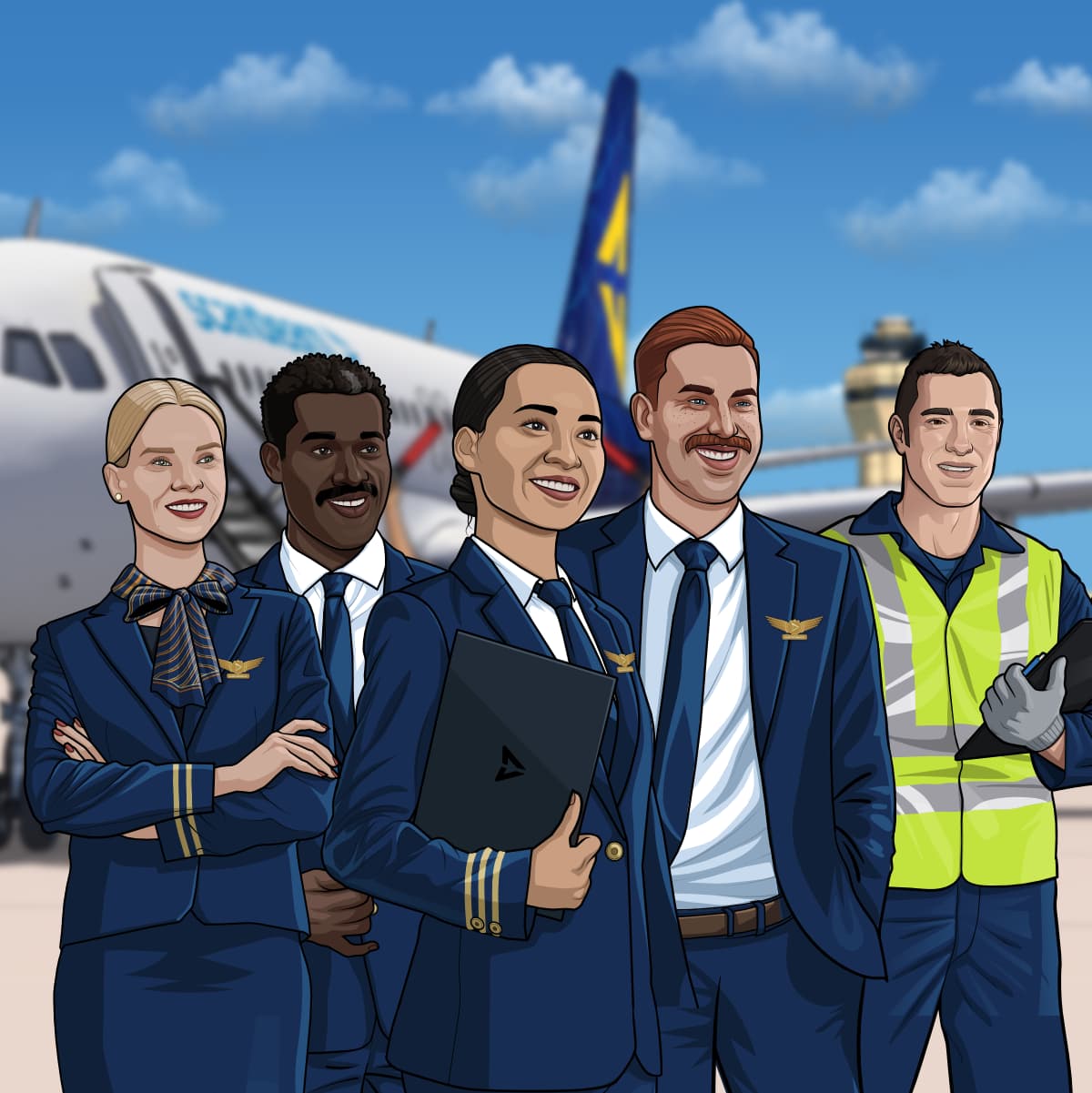
We've redesigned our CRM training from start to finish
Boost engagement and learning outcomes with a newly updated Crew Resource Management training that will keep your team energised and focused.

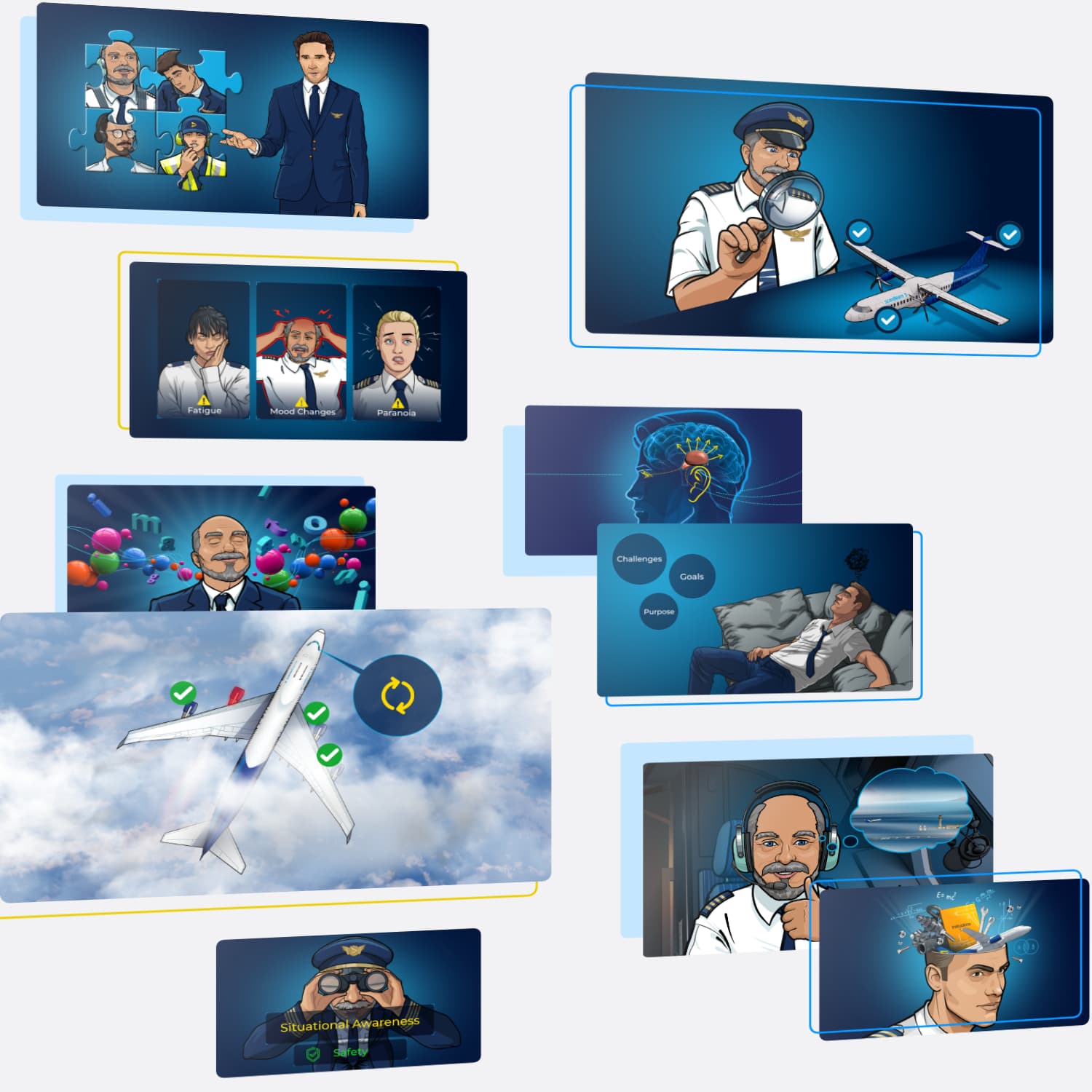
More than 700 pages meticulously reimagined from the ground up
Experience a cutting-edge CRM training journey—our team has carefully updated this essential course, enhancing every page with innovative designs and captivating visuals.

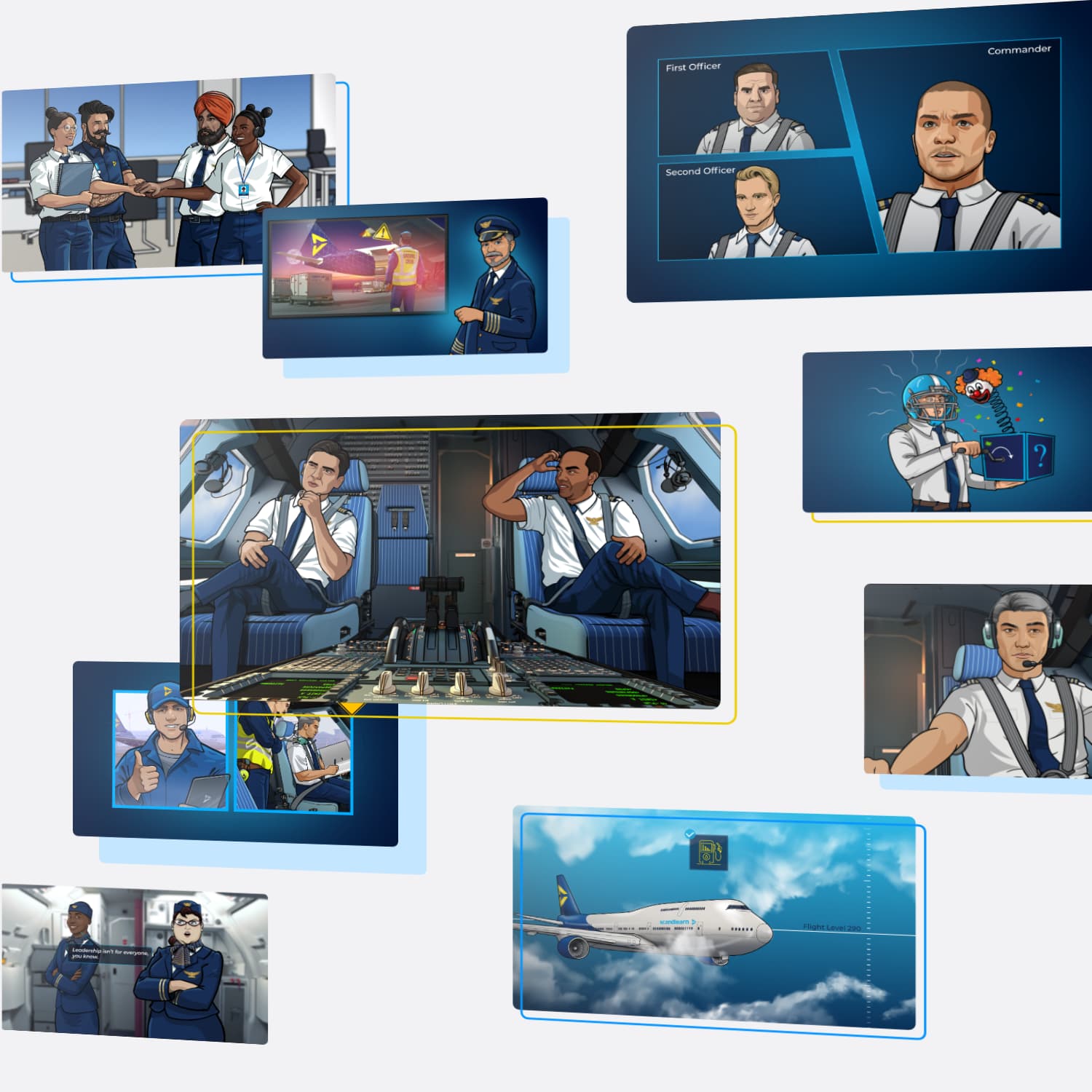
Save yourself stress with training that works with you, not against you
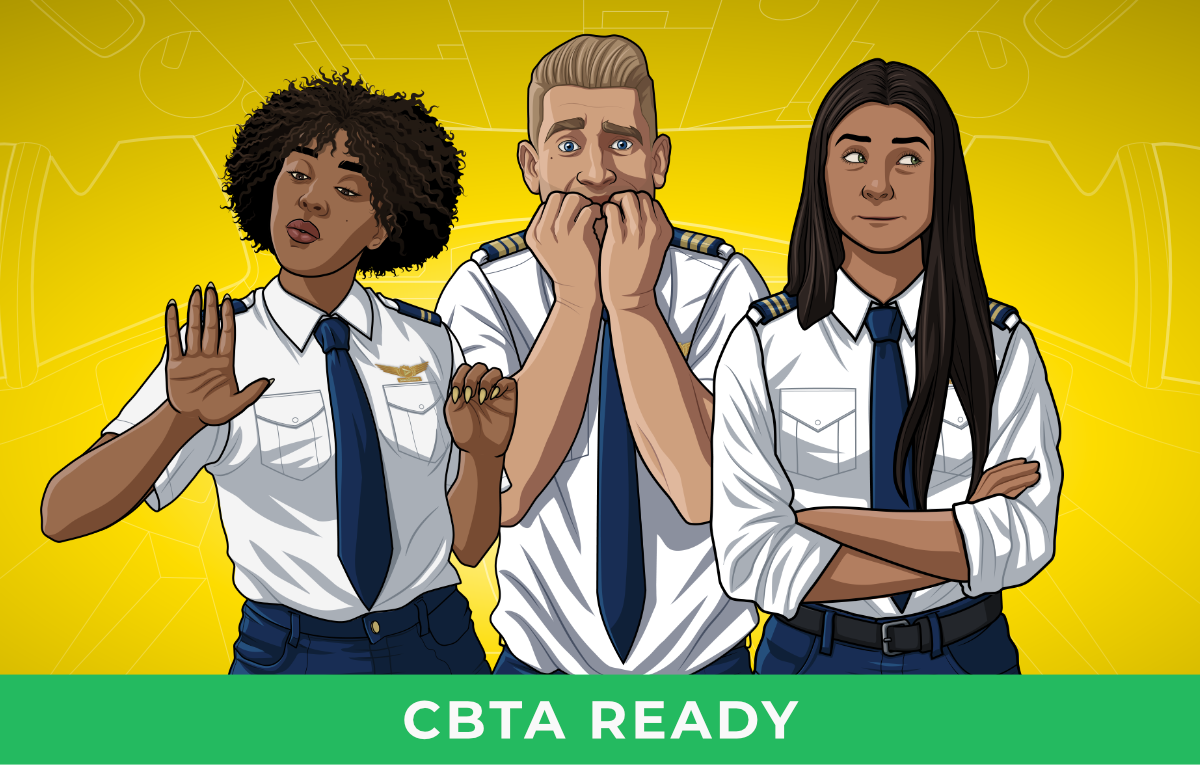
Save Time with CBTA
Your organisation will save precious time thanks to our Competency-Based Training & Assessment platform.
Accessible Anywhere
Your crew has the flexibility and freedom to access their training outside of operational environments.
Higher Safety Levels
At its core, CRM training is about better safety. The better the course, the higher your safety levels will be.

Enjoy the long-term benefits that come from quality CRM training
Increase Efficiency
Having a common methodology and language for aircraft interactions boosts efficiency.
Cost Effective
By applying CRM teams are able to operate faster, be more productive and still achieve high safety levels.
Long-Term Skills
Team members who regularly undergo quality CRM training will naturally develop better habits and skills over time.

You’re in good company
Scandlearn powers training for hundreds of enterprises around the globe













Beyond the Cockpit
Why CRM Training Must Bridge the Gap Between Pilots and Cabin Crew.

Beyond the Cockpit
Why CRM Training Must Bridge the Gap Between Pilots and Cabin Crew.
Understanding the root causes of an aviation incident
Although it might seem like human error is the lone cause of most incidents, it's often the case that such errors are bound to happen when proper CRM training is not applied correctly.
![Scandlearn-aviation-training-crm-lp-timeline-1]()
An incident occurs
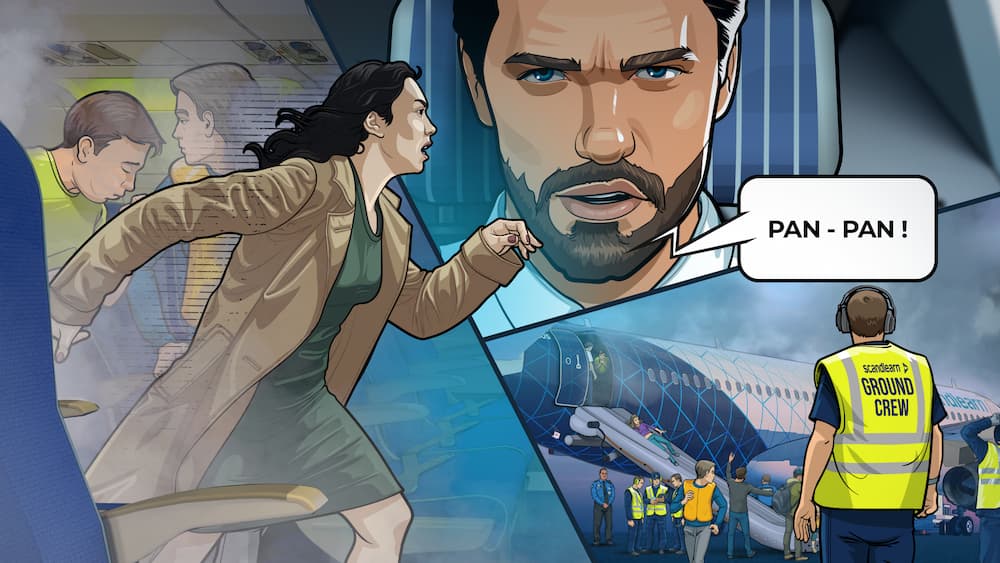
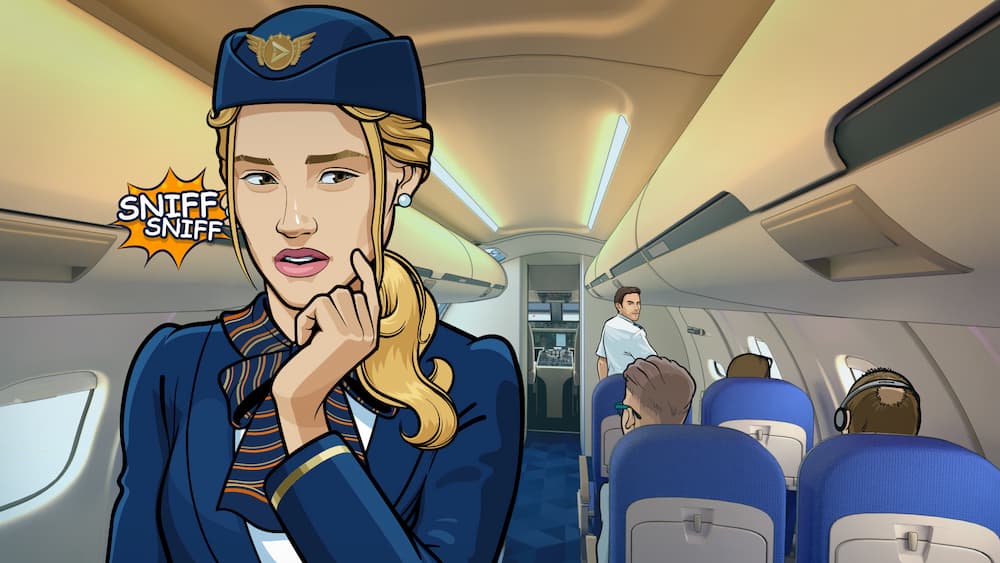
Thirty minutes after takeoff on a domestic flight, faint smoke was detected in the rear galley. The flight crew declared a PAN-PAN and returned to the departure airport. Passengers were evacuated without injury, though two flight attendants reported smoke inhalation. The source was later traced to a galley circuit overload, but initial confusion and delayed reporting worsened the situation.![Scandlearn-aviation-training-crm-lp-timeline-2]()
Factor 1: Cabin Crew Uncertainty
When the aft flight attendant first noticed the smell, she hesitated to call the cockpit due to a previous reprimand for “non-emergency interruptions.” She tried troubleshooting on her own, then reported the issue after it had worsened. The flight deck was unaware of the severity until passengers began complaining. CRM breakdown between cabin and cockpit delayed escalation and intervention.![Scandlearn-aviation-training-crm-lp-timeline-3]()
Factor 2: Inadequate Ground Coordination
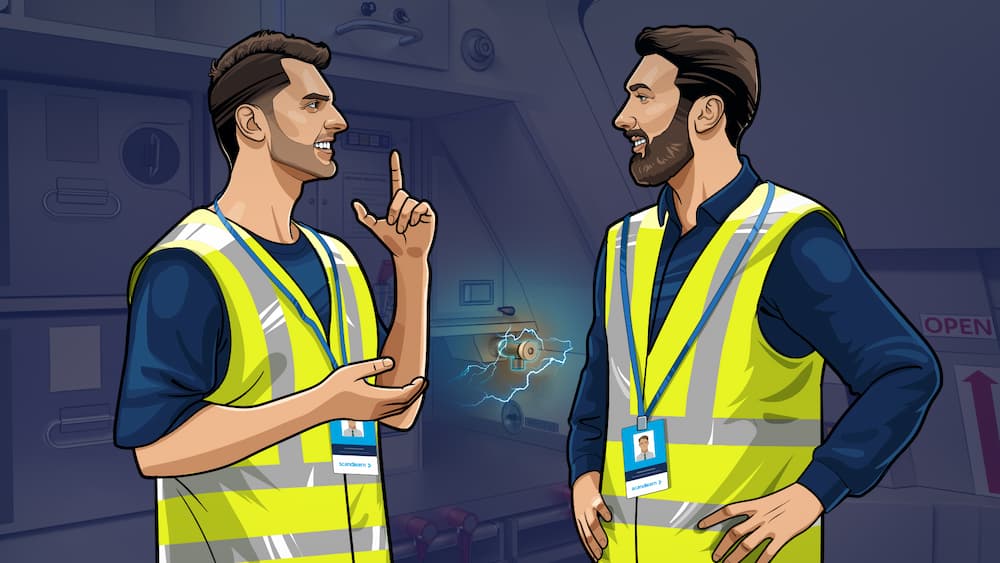
Prior to departure, the ground crew had noted a galley power fluctuation during catering prep but did not escalate the issue, assuming it was minor. The information was relayed informally to a dispatcher, who failed to pass it to maintenance or the flight crew. This omission meant the Captain had no awareness of a recurring issue with the galley circuit.![Scandlearn-aviation-training-crm-lp-timeline-4]()
Factor 3: Communication Gaps with Dispatch
The dispatcher had been juggling multiple delayed flights due to weather and did not relay a last-minute MEL (Minimum Equipment List) update restricting full galley use. The message was never entered into the system and the cockpit crew never knew. This led to all galley appliances being powered on during climb, overloading a known weak circuit.![Scandlearn-aviation-training-crm-lp-timeline-5]()
Factor 4: Cockpit-Cabin Disconnect in Briefing
The pre-flight briefing between flight deck and cabin crew was rushed and superficial. Safety priorities, roles in case of smoke/fire, and reporting thresholds were not discussed. As a result, the cabin crew was unclear on when and how to escalate technical anomalies. Without shared mental models, the teams operated in silos rather than as one coordinated unit.![Scandlearn-aviation-training-crm-lp-timeline-6]()
Root Cause: Fragmented Team Culture and Inconsistent CRM Across Roles
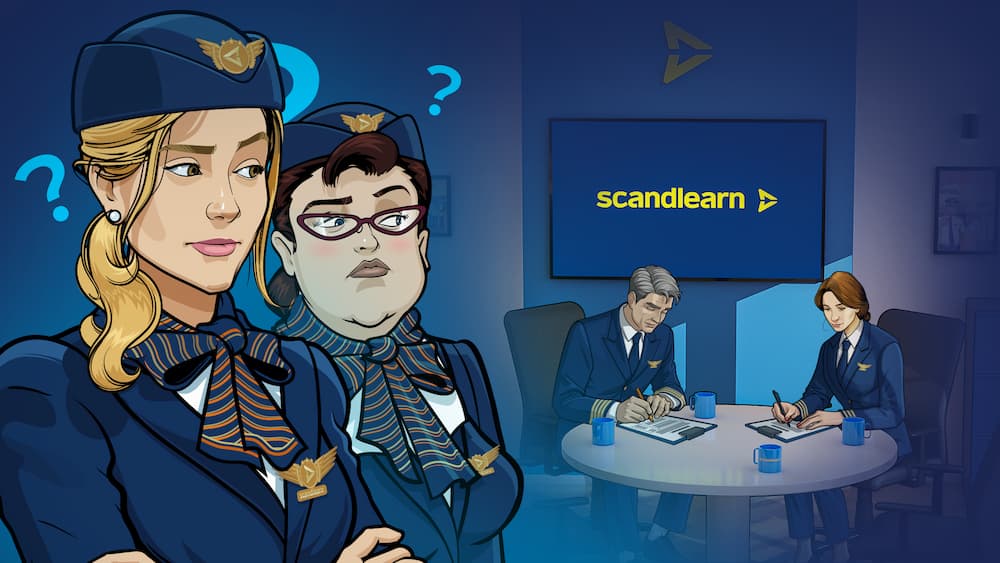
While the flight deck had recent CRM training, the cabin crew’s last session was a year ago, and ground personnel had no formal CRM exposure at all. A culture of siloed communication meant information flowed vertically but not laterally. Without an integrated, organization-wide approach to CRM, critical cues went unnoticed or unshared, culminating in a preventable in-flight emergency.

Available for Flight Crews




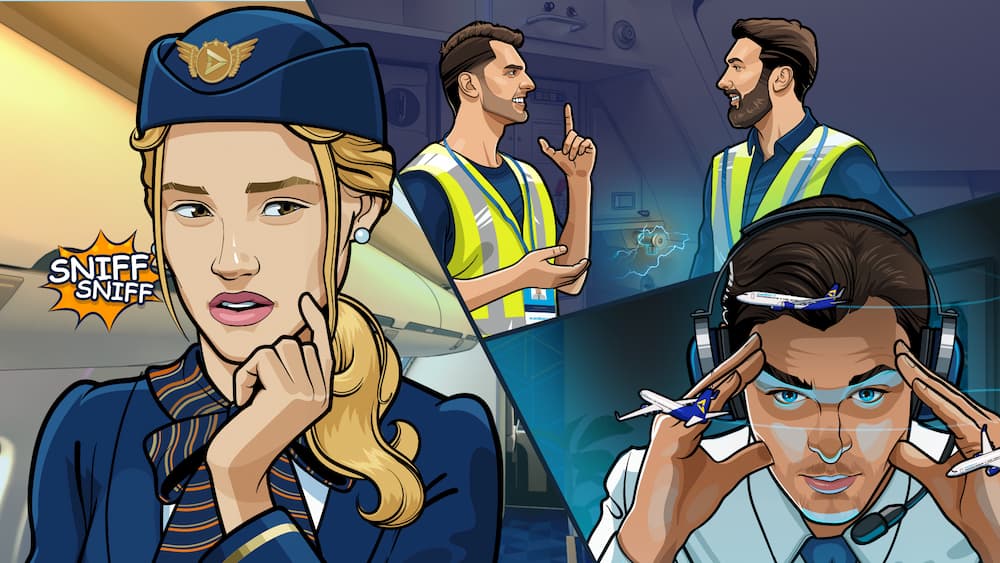
Human error is the result. Not the start of most incidents.
Human error often results from system, communication, or teamwork failures—our CRM training addresses these root causes to help improve the safety levels of your flight operations.
![Temp-placement-image-horizontal-80]()
Human performance and limitations
Description. Lorem ipsum dolor sit amet, consetetur sadipscing elitr, sed diam nonumy eirmod tempor invidunt ut labore et![Temp-placement-image-horizontal-80]()
Threat and Error Management
Description. Lorem ipsum dolor sit amet, consetetur sadipscing elitr, sed diam nonumy eirmod tempor invidunt ut labore et![Temp-placement-image-horizontal-80]()
Stress and workload management
Description. Lorem ipsum dolor sit amet, consetetur sadipscing elitr, sed diam nonumy eirmod tempor invidunt ut labore et![Temp-placement-image-horizontal-80]()
Use of Automation
Description. Lorem ipsum dolor sit amet, consetetur sadipscing elitr, sed diam nonumy eirmod tempor invidunt ut labore et![Temp-placement-image-horizontal-80]()
Effective Communication and Coordination
Description. Lorem ipsum dolor sit amet, consetetur sadipscing elitr, sed diam nonumy eirmod tempor invidunt ut labore et

Everything you need for CRM success
Advance your crew with a modern, fully compliant CRM course featuring engaging, up-to-date content. Designed for today’s aviation teams, this training delivers everything you need to meet standards and elevate safety—confidently and effectively.